Jeff’s Lure Finder

What lure
should I throw?

When a customer asks Jeff that question, he asks two of his own: lake or pond, clear or muddy. From those answers — and what the fish are doing — he can point you in the right direction. Answer below and get his pick.

“You can’t catch a fish unless your lure is in the water.” — Jeff

Step right up

Three questions. One tackle box.

1 — Where are you fishing?

2 — Clear or muddy water?

3 — What’s the situation?

Answer all three

Lake or pond, clear or muddy — from those two answers I can point you in the right direction.

Rules of the water

Thirteen things Jeff keeps repeating.

Whatever you tie on, these apply. Decades on the water, boiled down.

01

Dark water, dark lure. Clear water, light lure.

Counterintuitive if you think light means contrast — it doesn’t work that way down there.

02

Match the forage.

Size matters as much as color. Shad hatch means a small shad-colored bait; early spring means crawdad patterns; winter means no frogs — there are no frogs in nature in winter, and it looks suspicious.

03

Bass attack from below.

They rarely look down. Present your bait above them — like a great white shark.

04

Bass always want cover.

Docks, stick-ups, logs, grass clumps, rock piles — anything unusual in the water. A flat open stretch typically won’t hold fish.

05

Bass don’t have eyelids.

Summer heat sends them deep or to shade. Fish early morning and evening.

06

Pre-spawn is prime time.

Water temp mid-50s to low-60s — January in North Texas — is when the biggest bass feed up. They spawn at mid-60s to low-70s.

07

Tie direct. No snap swivels.

They look unnatural and kill the action. The only exception is trolling a spinning lure, where a swivel prevents line twist.

08

Fluorocarbon by default.

Invisible and it sinks. Braid for heavy cover and sensitivity — the premium setup is braid mainline with a 10 ft fluorocarbon leader.

09

Line diameter changes your crankbait.

Smaller diameter means more action and a deeper dive. Heavy line restricts the wobble like pulling it on a heavy rope.

10

Dead calm is the toughest condition.

A little wind helps disguise the lure.

11

Bass can see fake.

In clear, calm water they’ll follow, inspect, and reject a lure that doesn’t look right.

12

Don’t set the hook on the splash.

Wait until you feel the weight — especially on frogs and buzz baits.

13

Keep your lure in the water.

Jeff’s #1 tip across every category. You can’t catch a fish unless your lure is in the water.

Jeff’s Lure Reference

Open the tackle box.

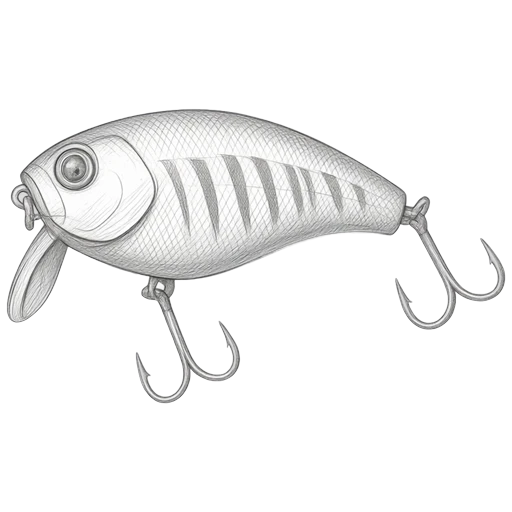
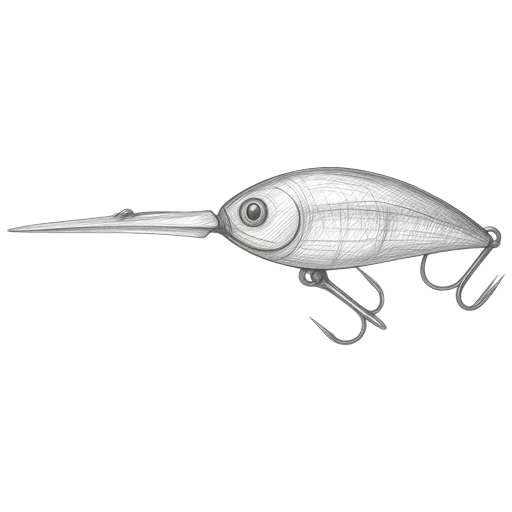
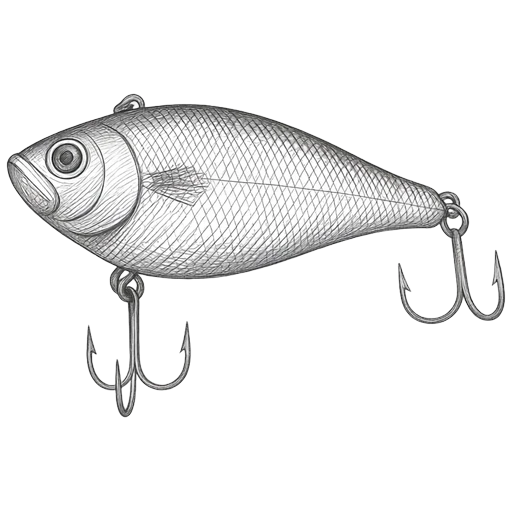
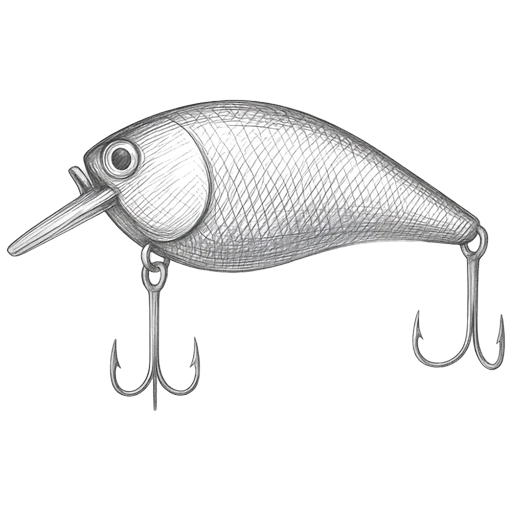
Pick a tray, pick a lure. What it is, when it works, and how Jeff fishes it — plus every finish we paint for that body on the shop.

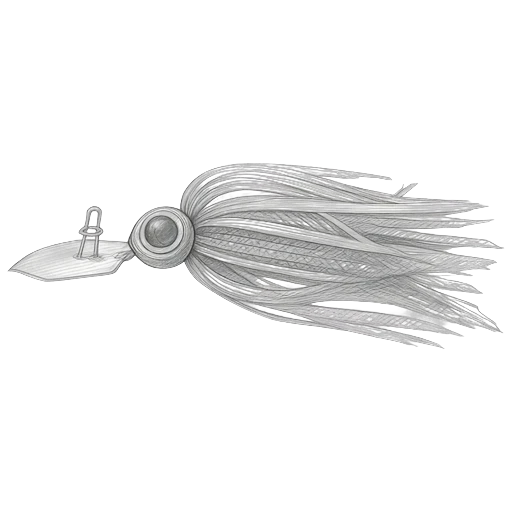
A hook with lead melted around it for weight — simple at its core. Dress it with a soft plastic trailer (creature bait, worm, grub, minnow, or buck tail) to mimic forage. Sinks to any depth; hop it, drag it, or swim it at any speed.

Shop Bladed Jigs
Jeff’s favorite jigSnag-resistant

Swim Jig

No blade, no flash — the lead is poured up front so it glides smoothly and bounces off cover instead of hooking into it. Jeff’s pick for the easiest jig to fish, and his favorite jig overall: cast it out and reel it back.

Shop Bladed Jigs

Runs at

Mid-column

Still not sure?
Put something in the water.

Every lure here was built and tested by Jeff and Ray on the same Texas water you’re fishing. Grab a swimbait, tie direct, and go.